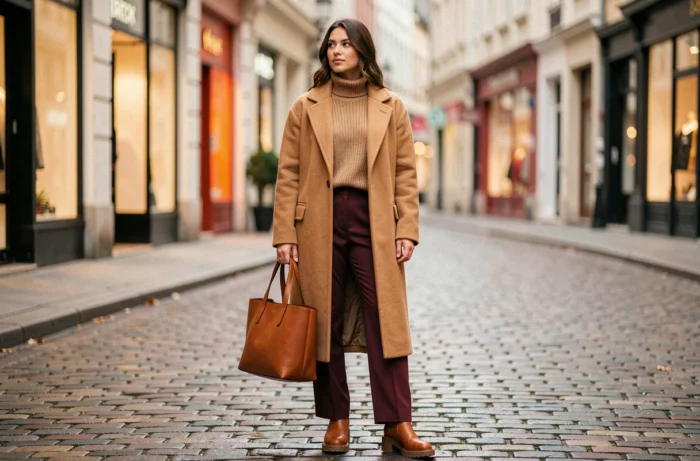
A fashion trend, in the strict sense, refers to an aesthetic movement that permanently alters the silhouettes offered by brands and adopted by buyers over one or more seasons. For the autumn-winter 2026-2027, these movements are not limited to the runways: the European regulation on eco-design and the structural rise of second-hand goods are reshaping what is available in stores and how to wear it.
Textile eco-design: a constraint that changes the items on the shelves
The European regulation on eco-design (ESPR), which came into effect in July 2024, now applies to textiles and footwear. It requires manufacturers to conduct a life cycle analysis, meet durability, reparability, and recycled content requirements.
In practice, this changes the offering. Materials that are too fragile to meet durability criteria are gradually disappearing from entry-level collections. Brands are investing in denser and repairable fabrics, which directs silhouettes towards more structured cuts, visible linings, and refined finishes.
To spot pieces that take advantage of this evolution without sacrificing style, platforms like rev-mode.fr allow you to track brands that integrate these new requirements into current collections.
The visible result in wardrobes: fewer disposable pieces, more jackets with marked structure, coats with reinforced seams, and knits that hold up for several seasons. This is not a return to minimalism by aesthetic choice; it is a direct consequence of a regulatory framework.

Second-hand and archives: building a unique fashion look
The resale of clothing is no longer a niche segment. A European report on fashion e-commerce 2026 confirms that second-hand has become a structural growth driver, particularly driven by Generation Z, which systematically mixes new and vintage pieces in its daily outfits.
This change has a direct effect on style. Resale platforms provide access to past designer pieces, unavailable in traditional retail. Pairing an archive jacket with a barrel jean from the current season creates a silhouette that no competitor can replicate exactly.
Three criteria for integrating second-hand into a current wardrobe
- Check the quality of seams and closures before purchase, as ESPR durability requirements only apply to new items. A vintage piece must compensate with its original construction.
- Favor natural materials (wool, thick cotton, leather) that age better than synthetics and blend more easily with recent pieces.
- Limit vintage purchases to two or three strong pieces per season (a coat, a structured jacket, a defining accessory) to avoid a costume effect and maintain coherence with current cuts.
The mix of archives and current trends creates truly unique silhouettes. This is the difference between following a trend and making it your own.
Colors and materials for autumn-winter 2026: what the runways translate into wardrobes
The palettes seen during Fashion Weeks confirm several directions. Black remains a foundation, but it is worked in contrasting textures: smooth leather against ribbed knit, satin against wool fabric. The idea is to create relief in a monochrome outfit rather than multiplying colors.
Kaki and olive green return in a version that Spring describes as premium military: fitted cuts, noble materials, finishes far from surplus. This register works because it relies on sober and natural shades, easy to integrate into an existing wardrobe.

On the materials side, the trio of denim, smooth leather, and suede dominates. Denim is worn in a barrel cut (wide leg, high waist, rounded silhouette at the knee). Smooth leather appears on short jackets and straight skirts. Suede, being more fragile, focuses on accessories and lightweight pieces.
Combining these materials without overloading the silhouette
A simple rule: two textured materials maximum per outfit. A barrel jean in raw denim with a thick knit sweater works. Adding a suede jacket on top creates a layering of textures that blurs the silhouette’s reading.
Bright colors do not disappear, but they are worn as a single touch. A butter yellow scarf over an anthracite gray coat, colorful ballet flats under sober trousers. The effect is more striking when the color is isolated than when it is repeated.
Algorithmic recommendations and personal style: a tension to manage
Fashion recommendation tools powered by artificial intelligence are improving. They analyze past purchases, preferences for cuts and colors, and then suggest combinations. This technology learns each user’s style and reinforces it over time.
The risk is becoming trapped in a clothing bubble. The algorithm optimizes coherence, not surprise. However, a unique style also relies on unexpected combinations that the machine will not spontaneously suggest.
- Use algorithmic recommendations for basics (jean cut, shirt size, compatible color palette).
- Reserve choices of strong pieces (coat, structured jacket, character accessory) for personal selection, in-store or on second-hand platforms.
- Regularly confront your habits with pieces outside your comfort zone, even without purchasing, to avoid stylistic stagnation.
The autumn-winter 2026 fashion trends are being built at the intersection of regulatory constraints, a second-hand market that has become structural, and technological tools that shape choices. The most interesting piece in the wardrobe this season will likely be one that no one else owns, found on a resale platform and worn with a current cut.