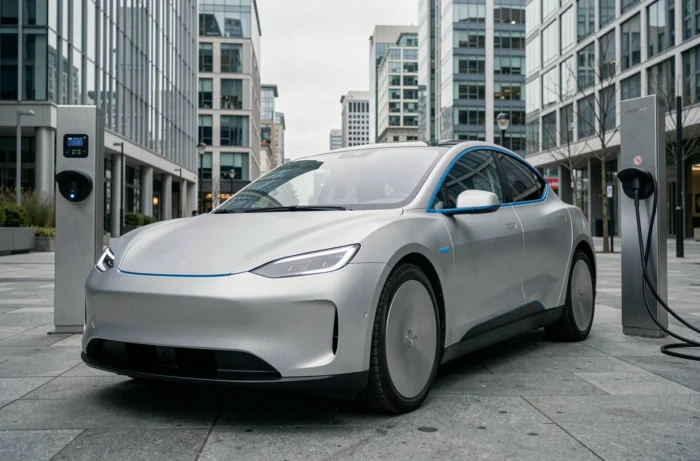
An electric truck rolls out of the factory for a major European logistics provider, a customs system changes versions without a transition period, and an AI reorganizes the routes of a fleet in real time. These three events occur in the same year, illustrating the diversity of innovations in transport. The gap between what makes headlines and what is obstructed on the ground deserves attention.
Customs Compliance and Interoperability: The Barriers Hidden by the Technological Showcase
You may have noticed that trade shows highlight spectacular prototypes but rarely discuss regulatory compliance? This topic has become a priority for European carriers.
The IRU indicates that the deployment of the ICS2 system will become a major operational issue in 2026. Several EU countries are eliminating ICS1 without granting a grace period. In practical terms, a road carrier that has not adapted its customs declaration tools risks having its goods blocked at the border.
This type of constraint is far from glamorous. But regulatory compliance conditions the ability to deliver, well before the choice of fuel or the vehicle’s autonomy level. Interoperability between the IT systems of the various links in the logistics chain remains an open project. Each company in the sector uses its own data formats and platforms. Making these tools communicate is costly and time-consuming.
Keeping up with the news about transport on Auto World allows one to gauge how much these technical subjects weigh in the daily decisions of professionals.
Artificial Intelligence Applied to Fleet Management and Maintenance
Artificial intelligence in transport is not limited to self-driving cars. Its most concrete use today concerns predictive maintenance and operational optimization.
Let’s take a simple example. A sensor installed on an axle records abnormal vibrations. Before AI, the driver would report the problem upon return, and the vehicle would go to the workshop. With a predictive maintenance algorithm, the failure is detected before it occurs. The vehicle is directed to an available workshop without unexpected downtime.
Logistics flow management benefits from the same type of approach. AI analyzes traffic data, loading times, fuel consumption, and proposes adjusted routes or schedules in real time. The gains focus on three areas:
- Reduction of vehicle downtime through anticipation of maintenance operations
- Optimization of routes that decreases fuel consumption and associated emissions
- Better allocation of human resources based on actual workload
AI does not replace the driver; it enhances the reliability of the operational chain. The difference from the promises of a few years ago is that these tools are already functioning in real fleets, not just in pilot projects.
Decarbonization of Freight: Electric, Hydrogen, and Optimized Trailers
The reduction of emissions in freight transport no longer relies on a single technological bet. Several solutions coexist, each suited to a specific use.
Electric Trucks for Regional Distribution
DHL Freight has received its first electric truck manufactured in Europe. This type of vehicle is suitable for distribution routes over short to medium distances, where charging stations can be integrated into depots. The electrification of regional freight is now industrialized, not just experimental.
Hydrogen for Long Distances
For longer trips, hydrogen remains a serious option. Companies are developing fuel cell trucks, with use cases in chemical freight and long-distance transport. The main barrier is not the vehicle itself, but the hydrogen supply network, which is still very limited.
Trailers and Aerodynamics
A often-overlooked lever concerns trailers. Their aerodynamic optimization, weight reduction, or modular design allows for reduced consumption without changing the engine. This is an immediate gain, without massive investment in new infrastructure.

Rail and Modular Rail-Road Concepts: A Quiet but Structuring Comeback
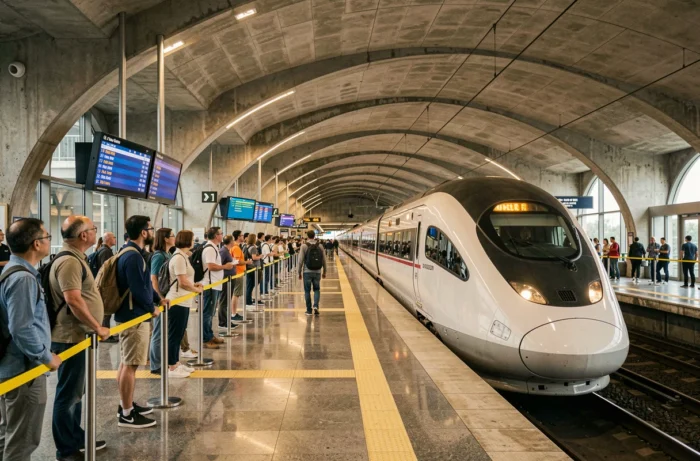
Rail is returning to innovation roadmaps, not just for passenger transport. The 2026 edition of InnoTrans highlights rail electrification, onboard batteries for rolling stock, and data infrastructure.
An interesting concept is emerging from the DLR (German Aerospace Center): a modular system that brings rail and road closer together. The idea is to transfer containers or loading units between truck and train without costly load breaks. This type of solution addresses a concrete problem: the last mile in urban areas is still dominated by road, while rail excels over long distances.
For these concepts to work at scale, data management systems must be compatible among rail operators, road carriers, and infrastructure managers. This brings us back to the interoperability issue mentioned earlier.
- The electrification of railway lines is progressing, but non-electrified sections require onboard batteries or hybrid solutions
- Digital platforms for booking rail capacities remain fragmented by country
- The cost of modal transfer (from truck to train) decreases with modular systems, but remains higher than all-road transport on certain corridors
Rail will not replace trucks. But combining both modes on the same journey reduces emissions and alleviates road congestion. The challenge lies in the coordination between actors with very different operational cultures.
Trends and innovations in transport converge towards the same conclusion: technology exists, the regulatory framework is tightening, but integration into existing infrastructures remains the weak link. An electric truck without a charging station at the depot or an AI algorithm without standardized data changes nothing. It is on these issues of infrastructure and interoperability that the real transformation of the sector is at stake.